
 Quietly Protecting, Lovingly Caring — The Patient Room Door
 Forced Entry Resistant Door: The Reliable Gatekeeper – Keeping Intruders at Bay
 Defying Flames, Protecting Lives: Dujiang Jindun Steel Fireproof Door
 Stainless Steel Glass Fire Rated Door



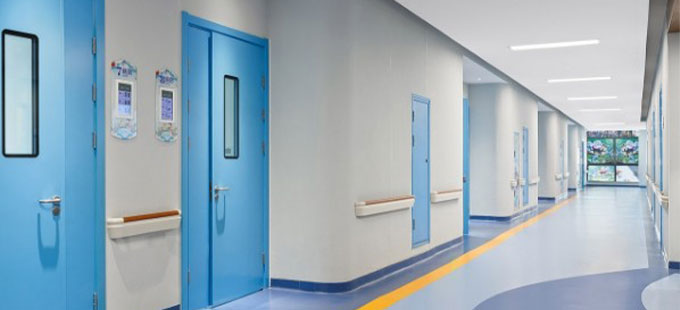


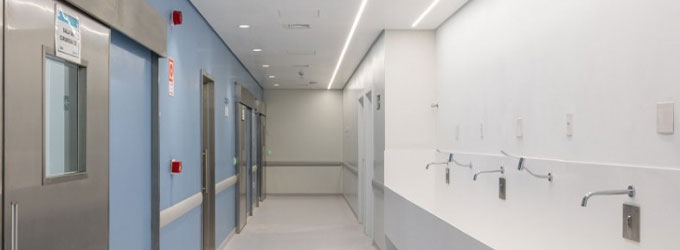










Comprehensive Analysis of Clinic Doors for Hospital Wards and Patient Rooms
Clinic doors designed specifically for hospital wards and patient rooms play a critical role that goes far beyond simply providing access. These specialized doors are integral to infection control, patient privacy, staff efficiency, and safety compliance within healthcare facilities. As hospitals evolve with advancements in medical technology and increase patient capacity demands, the design and application of clinic doors have become more sophisticated and tailored to meet multi-dimensional requirements.
Industry Overview and Commercial Significance
The hospital doors market is experiencing steady growth as new healthcare infrastructures and renovation projects prioritize specialized doors with enhanced functionalities. Builders and facility managers seek solutions that combine durability, hygiene, fire safety, noise reduction, and aesthetic appeal. Clinic doors specifically for wards and patient rooms integrate materials resistant to pathogens and are designed for easy cleaning, complying with healthcare sanitation standards such as those outlined by the CDC and WHO.
Key Features and Technological Trends
- Antimicrobial and Easy-Clean Surfaces: Surfaces that inhibit bacterial growth or are coated with antimicrobial finishes to reduce hospital-acquired infections.
- Noise Reduction: Soundproofing technology ensures patient rest is undisturbed by external noise — crucial in wards and ICU rooms.
- Fire and Smoke Protection: Fire-rated doors that meet local fire safety codes and provide smoke control in emergencies.
- Access Control Integration: Electronic locks, RFID or biometric systems enhance security while allowing seamless staff access.
- Hygienic Hardware: Automatic or foot-operated door openers reduce touchpoints, minimizing contamination risk.
Deeper Application Scenarios
Beyond basic hospital wards and patient rooms, clinic doors find vital applications in:
- Isolation Rooms: Specialized sealing to control airflow and pathogens.
- Surgical Suites: Doors integrated with hygienic materials and access control for sterile environments.
- Emergency Rooms and ICU: Durable doors that withstand frequent use and provide rapid access while maintaining privacy and infection control.
- Pharmacy and Storage Areas: Secure, fireproof doors to protect sensitive medicines and equipment.
Development Trends
Looking forward, the hospital door sector is increasingly adopting digital and smart technologies. Integration with hospital IoT systems allows remote monitoring of door status, automatic logging, and predictive maintenance, reducing downtime and improving operational efficiency. Sustainable materials and energy-efficient doors that contribute to LEED certification and green hospital building standards are gaining momentum. Furthermore, patient-centric design is leading to improved aesthetics and ergonomic features to enhance patient comfort and accessibility.
Why Dujiangyan Jindun's Clinic Doors Stand Out
Our clinic doors combine industry-leading antimicrobial coatings, fire resistance, and noise reduction with custom design to match hospital interiors. Our production facilities apply advanced automated manufacturing and rigorous quality control ensuring reliability and consistent delivery. Supported by decades of expertise, our OEM & ODM service customizes doors down to each hospital's specific needs, whether it’s for high-security vaults or the soft privacy of patient rooms.
Conclusion
Choosing the right clinic door for hospital wards and patient rooms is an investment in patient safety, comfort, and operational excellence. As healthcare facilities face larger demands and more stringent standards, partnering with a manufacturer that delivers innovation, quality, and customization is essential. Dujiangyan Jindun Protective Equipment Co., Ltd. continues to lead in providing cutting-edge door solutions that meet and exceed the dynamic needs of modern hospitals worldwide.
 Safety Meets Elegance: Steel Door with Glass for Bright Spaces
 Steel Fortress: The Ultimate Security Solution – Gun Vault Door
 Strong Protection, Elegant Presentation—Your Ideal Choice: Flush Steel Door
 Steel Glass Fire Rated Door