10 Essential Tips for Choosing the Right Operating Room Doors
Choosing the right Operating Room Doors is crucial for maintaining a sterile environment in healthcare facilities. According to a 2022 report by the Association for the Advancement of Medical Instrumentation, effective door design can significantly reduce the risk of infection. Operating Room Doors must be functional while also ensuring patient safety and staff efficiency.
Hospitals often overlook the importance of door materials and designs. In fact, a study revealed that inappropriate door choices can lead to workflow disruptions, which negatively impact surgical outcomes. This raises critical questions. Are your current doors hindering access for medical staff? Are they contributing to the spread of pathogens?
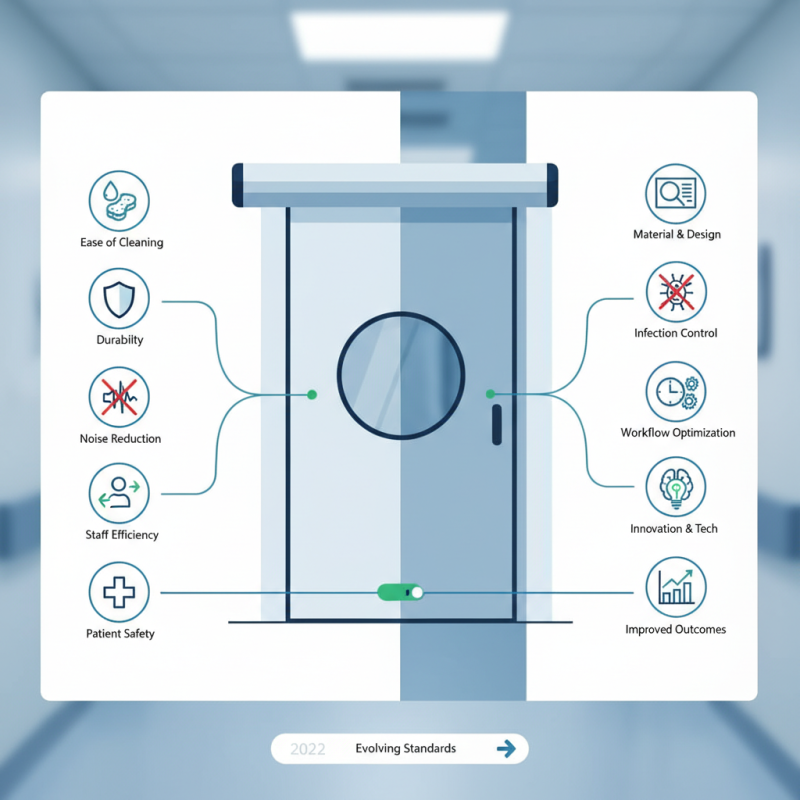
When selecting Operating Room Doors, it's essential to consider factors such as ease of cleaning, durability, and noise reduction. Each of these elements plays a role in creating an optimal surgical environment. As medical technology evolves, the demand for innovative door solutions rises. Reflecting on past decisions may provide new insights into improving operational efficiency.
Understanding the Importance of Operating Room Doors
Choosing the right operating room doors is crucial. These doors play a vital role in maintaining a sterile environment. They also ensure the safety and efficiency of surgical procedures. A well-chosen door enhances workflow. It minimizes distractions and interruptions. The right doors streamline patient access.
Operating room doors must meet specific standards. They should be easy to operate, even in high-stress situations. Think about the materials used. Durable, easy-to-clean surfaces are essential. Additionally, consider the sound insulation they provide. Noisy environments can affect surgical focus. Many facilities overlook these details. This can lead to setbacks during operations.
Aesthetic appeal also matters. Doors should blend seamlessly with the overall design. Yet, function should never be compromised for looks. Too often, facilities choose doors based on appearance alone. This can impact long-term efficiency and safety. It’s vital to evaluate all aspects before committing to a purchase. Thoughtful decision-making is key in this process.
10 Essential Tips for Choosing the Right Operating Room Doors - Understanding the Importance of Operating Room Doors
| Tip No. |
Tip Description |
Considerations |
| 1 |
Evaluate the Traffic Flow |
Consider the number of staff and equipment passing through the door. |
| 2 |
Choose Appropriate Materials |
Opt for materials that are easy to clean and maintain. |
| 3 |
Consider Safety Features |
Select doors with features like automatic closing and safety locks. |
| 4 |
Ensure Compliance with Regulations |
Make sure the doors meet local healthcare regulations. |
| 5 |
Assess Acoustic Performance |
Choose sound-proof doors for better patient privacy. |
| 6 |
Consider Door Size and Dimensions |
Ensure proper size for easy access of equipment. |
| 7 |
Select the Right Opening Mechanism |
Automatic vs manual - consider ease of use in emergencies. |
| 8 |
Plan for Fire Safety Measures |
Ensure doors are fire-rated and compliant with safety codes. |
| 9 |
Consider Aesthetic Appeal |
Choose designs that blend with the operating room environment. |
| 10 |
Check for Warranty and Support |
Ensure good post-installation support and warranties on doors. |
Key Features to Look for in Operating Room Doors
Choosing the right operating room doors is crucial. These doors play a vital role in maintaining a sterile environment. They should be easy to clean and resistant to chemicals. Look for materials like stainless steel or high-quality plastics. This ensures durability and hygiene.
Consider the door's size and opening mechanism. Bi-fold or sliding doors can save space. They should allow smooth passage for staff and equipment. Noise reduction features are also important. A quieter environment can enhance concentration during surgeries.
Evaluate safety features as well. Doors should have safety sensors to prevent accidents. Emergency protocols often require rapid access, so consider swift opening mechanisms. Regular maintenance checks are necessary to ensure functionality. Remember, these details can directly impact patient outcomes.
Key Features to Look for in Operating Room Doors
Material Choices for Durability and Hygiene in Operating Room Doors
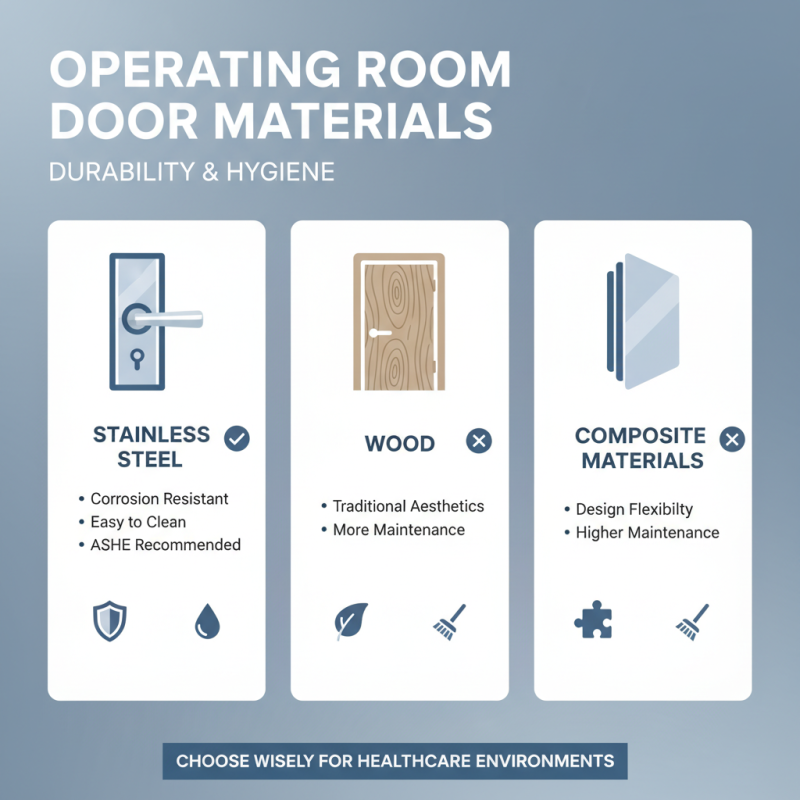
Choosing the right materials for operating room doors is crucial for ensuring durability and hygiene. The door material must withstand frequent use and exposure to cleaning agents. According to a report from the American Society for Healthcare Engineering (ASHE), stainless steel remains a popular choice due to its corrosion resistance and ease of cleaning. However, wood and composite materials are occasionally used, but they require more maintenance.
When selecting doors, consider the weight and durability of the material. Heavy-duty options reduce noise and provide better insulation, crucial in a surgical environment. Steel doors with a solid core can endure the rigors of daily use. Ensure they are designed to minimize gaps to limit bacterial ingress.
Tip: Evaluate your facility's specific needs before making a choice. Not all materials are suitable for every application. Assess traffic patterns and cleaning protocols to ensure you've selected the optimal option.
Think about hygiene as well. Non-porous materials can be wiped down easily, minimizing contamination risks. A focus on seamless designs can further enhance cleanliness and reduce the potential for bacteria accumulation. Regular evaluations of door performance can identify areas needing improvement, ensuring infection control remains a priority.
Assessing Safety Standards and Regulations for Operating Room Doors
When selecting operating room doors, understanding safety standards and regulations is crucial.
These doors play a vital role in maintaining a sterile environment. Compliance with relevant standards ensures the safety of both patients and staff. Check local regulations that dictate the materials, design, and functionality of the doors. Failure to do so can lead to significant safety hazards.
Consider the door’s construction materials. Steel and fiberglass are popular choices for their durability. Ensure that the selected material meets fire resistance criteria. Regular inspections are necessary to maintain compliance. If the doors show wear or damage, they must be replaced. A minor oversight can compromise the integrity of an operating room.
Don’t forget about accessibility. Doors should accommodate various medical equipment. Evaluate the opening mechanism. Automatic or manual options each have their pros and cons. Think about the workflow in the operating room. Smooth access can enhance efficiency. However, automated systems may require more maintenance. Reflect on these aspects carefully to make an informed choice.
Considerations for Aesthetic and Functional Design in Operating Room Doors
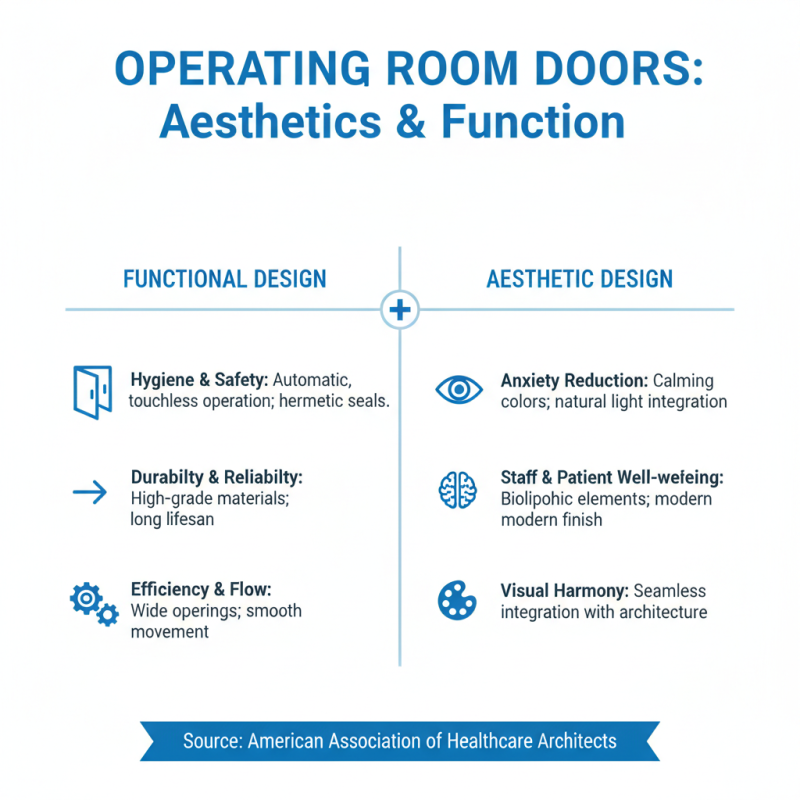
Choosing the right operating room doors goes beyond just functionality; aesthetics play a critical role too. A study by the American Association of Healthcare Architects indicates that the visual design of operating rooms can reduce anxiety among staff and patients. In high-stakes environments, such as surgery, every detail matters.
Consider the materials used in door design. Steel doors offer durability and ease of cleaning, key for infection control. However, glass panels can enhance lighting and visibility, promoting a better working environment. Yet, the challenge lies in balancing these features with privacy. Sound insulation is another consideration; a study showed that noise management can improve staff focus by up to 25%.
Additionally, energy efficiency cannot be overlooked. Doors with high insulation ratings help maintain temperature control, which is essential for sterile conditions. A report from the Centers for Disease Control and Prevention highlighted that improper temperature regulation can increase infection rates. Thus, striking a balance between aesthetics, functionality, and energy efficiency is vital, but not an easy task. Reflecting on these aspects can lead to a more thoughtful and effective operating room design.