Leave Your Message

China Top 10 Aluminum Fire Rated Window Manufacturers

Choosing an Aluminum Fire-Rated Window is not merely a matter of comparing frame finishes. The glass, frame, seals, hardware, and installation method must work as a tested assembly. A sleek sample can look reassuring. It proves little by itself.

NFPA’s Fire Loss in the United States During 2020 estimated 1.4 million fires and $21.9 billion in direct property damage. Those figures describe fire losses broadly; they do not measure window performance or prove that any product prevents loss. They do show why verified protection deserves careful attention. Fire-science researcher Dr. Vytenis Babrauskas’s work offers a useful practical reminder: evaluate documented test performance, not appearance alone. That is a paraphrase, not a verbatim quotation.

This guide to China’s top 10 manufacturers examines the details buyers can check: listed fire-resistance ratings, test documentation, glazing options, frame construction, and export support. Look for evidence tied to the complete assembly and the project’s applicable standards, such as NFPA 257 or ASTM E119 where relevant. Confirm that the proposed configuration matches the tested one. Small changes matter.

A supplier’s brochure is only a starting point. Ask for current certificates and clear installation instructions. Then compare lead times, customization, and after-sales service. The ranking can help narrow the field, but it cannot replace project-specific review. That part takes work.
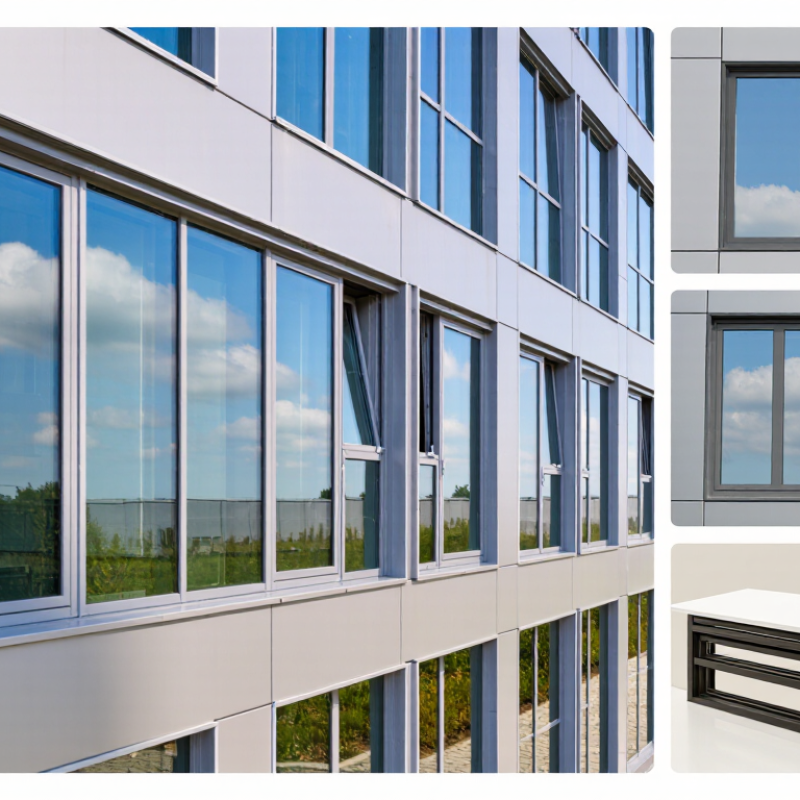
China Top 10 Aluminum Fire Rated Window Manufacturers

What Aluminum Fire-Rated Windows Are and How They Work

Aluminum fire-rated windows are complete tested assemblies, not simply ordinary windows fitted with special glass. Their frame, glazing, seals, and fixings work together to resist fire for a stated period. Aluminum offers a slim, durable frame, while specialized glass and intumescent seals help maintain the barrier as temperatures rise. The frame alone proves little. Every component matters.

During a fire, heat can crack standard glass and create openings for flames and smoke. Fire-rated glazing is tested under defined exposure conditions, including methods described in NFPA 257 and ASTM E119.

Depending on its rating and construction, an assembly may provide fire resistance, limit heat transfer, or do both. These are different performance levels. A clear pane may stop flames yet still pass substantial radiant heat, so the test classification must match the intended use.

The need for tested barriers is not abstract: NFPA’s U.S. Fire Loss report estimated 1.39 million fires in 2023. That national figure does not predict risk at any single building, but it shows why passive protection deserves careful specification. Check the complete assembly’s test evidence, permitted dimensions, and installation details—not just a product label. A small gap around the frame can undermine performance. Even experienced project teams can overlook that detail.
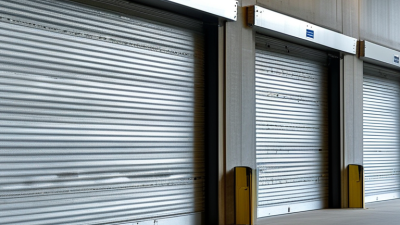
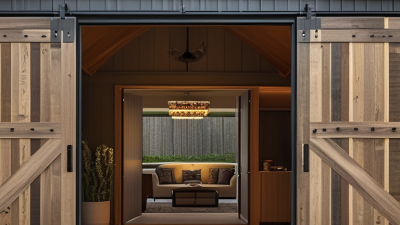
Fire-Rating Standards and Certification Requirements in China

China’s aluminum fire-rated window market is governed by both national standards and project-specific fire designs. GB 16809 is a key reference for fire-resistant windows, while GB 50016 and the mandatory GB 55037 address building fire protection requirements. Testing may also follow relevant fire-resistance methods under the GB/T 9978 series.

A compliant window needs verified performance, not only a claimed fire rating. Test evidence should identify the complete assembly, including aluminum profiles, fire-resistant glass, seals, hardware, and fixing details. The report should state the tested fire duration and performance indicators, such as integrity and insulation. A different frame depth or glass thickness may invalidate the comparison.

Manufacturers typically prepare type-test reports, product inspection records, material certificates, and installation instructions. Some projects may also require applicable fire-product certification or local acceptance documents. Requirements can vary by building use, height, compartment design, and regional review practice. Check the current standard edition.

On site, installers should protect the perimeter gap with approved fire-stopping materials. Ordinary silicone is not enough. Inspectors may examine anchors, joint width, glass labels, and opening dimensions. A frequent mistake is selecting a tested window but changing its hardware later. That detail matters. Even experienced teams can overlook it when drawings change late. Reliable procurement links the certificate, approved shop drawings, delivery inspection, and installation records.

China Top 10 Aluminum Fire Rated Window Manufacturers - Fire-Rating Standards and Certification Requirements in China

No. Manufacturer Evaluation Dimension Applicable Chinese Standard or Requirement Verified Technical Data Certification or Test Evidence Purchasing Checkpoint
1 Fire-resistance classification GB 16809, Fire-resistant windows; project requirements under GB 50016 and GB 55037 The tested fire-resistance period must match the design requirement, commonly expressed in hours, such as 0.50 h, 1.00 h, 1.50 h, or 2.00 h. Complete test report identifying the exact window assembly, dimensions, glazing, hardware, and fire-resistance period. Do not rely on the aluminum profile alone; verify the complete tested assembly.
2 Integrity and insulation performance GB/T 9978 series, Fire-resistance tests—Elements of building construction The test should state the applicable failure criteria, including integrity and, where required, thermal insulation performance. Accredited laboratory report with furnace test results, failure time, specimen configuration, and acceptance criteria. Confirm that the reported rating covers the required performance criteria, not only flame resistance.
3 Aluminum frame system GB/T 8478, Aluminium windows and doors, together with the approved fire-window design Profile alloy, wall thickness, section design, thermal-break arrangement, internal reinforcement, corner joints, and frame dimensions must correspond to the tested specimen. Material certificates, profile drawings, batch records, and a test report covering the same profile system. Check whether proposed profile changes invalidate the original fire test.
4 Fire-rated glazing GB 15763.1, Safety glazing materials in building—Part 1: Fire-resistant glass Glass type, thickness, interlayer or gel composition, visible light transmission, size limits, and fire-performance period must be specified. Glass product certificate, conformity documents, and a fire test report for the glass-and-frame combination. Verify glass markings, orientation, maximum tested size, and approved edge-support details.
5 Seals, gaskets, and fire-stopping materials GB 16809 and the materials specified in the approved tested construction Sealant, intumescent strip, gasket type, fire-stopping material, location, expansion allowance, and replacement interval must be documented. Material technical data sheets, batch traceability, and evidence that the materials were used in the fire test. Reject substitutions unless they are formally approved and supported by equivalent test evidence.
6 Hardware and operating method GB 16809 and the tested hardware configuration Hinges, locks, closers, restrictors, handles, fixing screws, and automatic-closing devices must be suitable for the specified fire-rated assembly. Hardware schedule, installation instructions, product conformity documents, and test configuration records. Confirm that ventilation, opening angle, and self-closing functions do not conflict with the fire design.
7 Maximum tested size and scope of application GB 16809 test scope and the limitations stated in the laboratory report Maximum width, height, area, aspect ratio, sash arrangement, mullion configuration, and installation orientation must be identified. Test report showing specimen drawings and permitted application range. Ensure the project window does not exceed tested dimensions or use an untested configuration.
8 Installation and perimeter protection GB 50016, GB 55037, project fire-compartment details, and the fire-test installation method Wall type, fixing spacing, anchor type, joint width, backer material, fire-resistant sealant, and interface with surrounding construction must be defined. Approved shop drawings, method statement, installation inspection records, and site photographs. A compliant window can lose its rating if the perimeter joint is installed incorrectly.
9 Certification and conformity documentation Applicable Chinese fire-product certification, technical appraisal, inspection, or project approval requirements Certification status must be checked against the product category, intended use, project location, and current Chinese regulatory requirements. Valid certificate or conformity documentation, accredited test report, factory inspection records, and product identification information. Certification requirements can vary by product category and project; verify with the project authority before procurement.
10 Factory quality control and traceability Product standard requirements, approved technical documents, and applicable quality-management procedures Incoming-material inspection, welding or corner-joint control, coating checks, dimensional inspection, assembly records, final inspection, and complaint tracking. Quality manual, inspection plans, batch records, calibration records, nonconformance reports, and traceable product labels. Audit whether delivered products can be traced to the tested design and manufacturing batch.

Note: Fire-resistance ratings and certification obligations must be confirmed against the latest Chinese standards, the approved architectural fire-safety design, the project location, and the requirements of the relevant authority.

How to Evaluate Aluminum Fire-Rated Window Manufacturers

Evaluating an aluminum fire-rated window manufacturer starts with evidence, not polished brochures. Brochures prove little. Ask for test reports that identify the exact frame, glass, hardware, seals, and installation method. A rating applies to a tested assembly, not simply to aluminum or a pane of glass. Check that the documents are current, independently verified, and relevant to the opening size and configuration you need. If a supplier cannot explain those limits clearly, pause.

Manufacturing quality matters just as much. Request details on alloy specifications, frame tolerances, corner joints, and quality checks during production. Ask how each unit is labeled and traced back to its test documentation. A sample window can help: inspect the finish, gasket fit, drainage details, and smoothness of operation. Then discuss delivery protection and installation guidance. Damage or poor fitting can compromise performance, even when the factory product is well made.

Compare manufacturers on technical support, response times, and experience with projects similar to yours. Ask for references, but verify that the examples involved comparable openings and site conditions. A low quotation may omit essential hardware, testing, or installation details; compare itemized specifications instead. I would also note unanswered questions during meetings. No checklist replaces judgment, and site conditions can reveal gaps that factory visits miss. Still, a careful review gives you a stronger basis for choosing a dependable supplier.

How to Evaluate Aluminum Fire-Rated Window Manufacturers

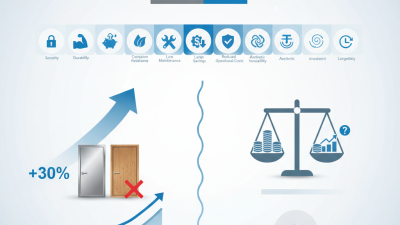
Suggested evaluation weightings for comparing manufacturers. Verify fire-test reports and applicable local code compliance for the specific window assembly and project. These percentages are an evaluation framework, not measured ratings or an industry standard.

Profiles of 10 Leading Chinese Aluminum Fire-Rated Window Manufacturers

This overview compares ten capability profiles among Chinese aluminum fire-rated window manufacturers. The descriptions focus on practical differences, not unverified rankings. Profile one emphasizes in-house testing and documented product data. Profile two focuses on custom opening sizes for renovation projects. Profile three serves projects needing coordinated window and façade systems. Profile four prioritizes thermal breaks and airtight seals. Small details matter.

Profile five offers varied frame finishes for architectural matching. Profile six concentrates on standardized production and repeat orders. Profile seven supports complex junctions between frames and fire-rated walls. Profile eight highlights installation guidance and after-sales support. Profile nine develops solutions for coastal settings, where corrosion resistance deserves careful review. Profile ten combines several capabilities, but buyers should check which are available for each project.

A supplier profile is only a starting point. Request test reports that match the proposed frame, glass, hardware, and dimensions; a similar-looking sample is not proof of equivalent performance. Ask how production changes are controlled, and confirm installation requirements with the project team. I would also inspect corner joints and seals on a physical sample. Paperwork can look complete. Yet gaps in scope or unclear maintenance instructions deserve follow-up before selection.

Comparing Products, Capabilities, and Project Applications

When comparing China’s top aluminum fire-rated window manufacturers, look beyond catalog images. Products may share slim aluminum frames but differ in tested glass build-ups, opening styles, and hardware. Check whether the stated fire-resistance performance applies to the complete window assembly, including frame, glazing, seals, and fittings. Small details matter.

Manufacturing capability also shapes project suitability. Ask about custom sizes, profile options, production consistency, and the documents supplied for each configuration. A capable supplier should explain limitations clearly and provide technical drawings for review. Samples can reveal finish quality, but they cannot prove full-system performance. That distinction is easy to miss.

Applications vary. In corridors and stairwells, designers may prioritize reliable operation and clear sightlines; in façades, appearance and coordination with adjacent systems may matter more. For renovation projects, existing openings can complicate standard sizing. Measure carefully. Compare lead times, installation guidance, maintenance access, and after-sales support alongside product specifications. One uneasy point remains: attractive brochures often make comparison look simpler than it is, so confirm that the proposed assembly matches the actual opening and project requirements.